Spooky Dude New Retro Wavy Svg Review
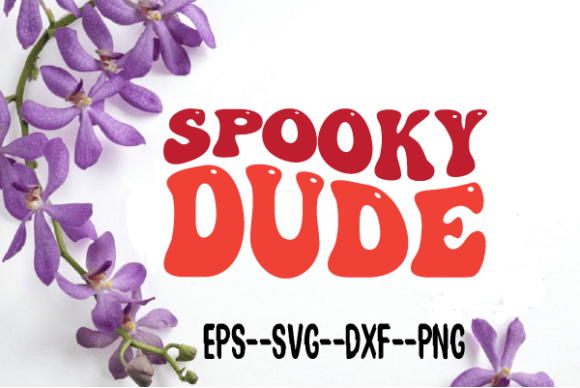
As a designer who spends more time than I care to admit staring at stitch density charts and testing thread tensions, I don’t just buy digital files—I vet them. The market is flooded with generic clip art, so finding a machine embroidery design that actually translates well from screen to fabric requires a sharp eye. Recently, I pulled up the Spooky Dude New Retro Wavy Svg to see if it had the legs for real-world application. It arrived as a sublimation-focused graphic, provided in DXF and EPS formats, which immediately raised some eyebrows in my circle. However, looking past the file type limitations, the visual personality of this piece is undeniable. Here is my honest breakdown of how this design performs when you are trying to build a brand, create a gift, or stock an Etsy shop.
The First Impression: Mood and Visual Personality
When you first load this into your digitizing software or previewer, the immediate takeaway is the vibe. It isn’t trying to be scary; it’s trying to be cool. The "retro wavy" aesthetic taps into that 70s psychedelic nostalgia but keeps it clean enough for modern tastes. For an embroiderer, the challenge with wavy lines is maintaining clarity without the design turning into a muddy blob of thread. In this case, the bold outlines suggest that the design relies heavily on strong satin stitch work to define its shape.
The character itself has a distinct attitude. It feels playful, slightly rebellious, and undeniably trendy. This makes it perfect for the current craft landscape where humor and nostalgia drive sales. Whether you are making a tote bag design for a festival-goer or a sweatshirt embroidery for a Halloween party, this character commands attention. It doesn’t scream for help; it just stands there looking effortlessly stylish. That kind of confidence is what sells handmade products.
Real-World Application: Where Does It Shine?
I took this design concept and ran it through several mental mockups to see where it would fit best. Because it is originally marketed as a sublimation design, it likely features flat colors and bold shapes rather than intricate shading. This is actually a huge advantage for embroidery if you digitize it correctly.
Custom Apparel and Streetwear
This design screams casual wear. Imagine it centered on a heavyweight cotton hoodie in a muted mustard or olive green. The contrast between the dark fabric and bright thread colors (like white, orange, or teal) would pop beautifully. It works equally well on a classic crewneck tee. For the Etsy seller, this is low-risk, high-reward inventory because it appeals to a broad demographic—from teens to adults who love retro aesthetics.
Home Decor and Textiles
Beyond clothing, this design has serious potential for home goods. A pillow cover featuring this spooky dude could be a hit during the autumn season. It’s not too aggressive for a living room, but it adds enough edge to make the space feel curated. Similarly, a kitchen towel or tea towel with this motif brings a bit of fun to daily chores. The wavy lines also lend themselves well to larger surface areas, allowing the design to breathe without feeling cramped.
Accessories and Gifts
I also considered smaller items. An embroidered patch version of this character could be sewn onto denim jackets or backpacks. It works as a standalone accent. For personalized gifts, adding a name in a complementary font above or below the character creates a cohesive look. It’s the kind of item someone buys for their best friend or as a stocking stuffer because it feels thoughtful but not overly sentimental.
Technical Considerations and Potential Pitfalls
Now, let’s get practical. Since the product description notes that you receive DXF and EPS files intended for sublimation, printing, or cutting, you cannot simply upload this to an embroidery machine and press start. You must treat this as a digital embroidery file source that needs proper digitization. If you are tracing this over or using a converter, here is what you need to watch out for.
Stitch Density and Detail Level
The wavy nature of the design means you have to manage stitch density carefully. If the waves are too thin and the stitches are too dense, the fabric will pucker. If the stitches are too sparse, the wavy line will look jagged and amateurish. I recommend using a combination of satin stitch for the outlines and perhaps a light fill stitch or even just running stitch accents if the interior details allow it. Always test on scrap fabric first to ensure the thread tension holds up against the curve of the wave.
Fabric Choice Matters
This design does not play nice with difficult fabrics. Avoid stretchy knits unless you use a heavy-duty stabilizer, as the wavy lines can distort easily. Thin fabrics like silk or lightweight rayon might show the backing material too prominently. Stick to stable cottons, blends, or fleece. Also, be mindful of hoop size. If the design is large, ensure your machine can handle it without needing to re-hoop, which often leads to misalignment. For small hoops, you may need to scale down the design, but be cautious—tiny versions of wavy designs can lose their charm and become hard to read.
Color Contrast
Because this is a graphic-based design, color contrast is everything. On dark fabric, you need bright threads. On light fabric, darker threads provide definition. Avoid using similar tones (e.g., a gray design on a black shirt) as the subtlety will be lost once stitched. Test your thread colors in black and white mode in your design software to check for sufficient value difference.
Practical Designer Notes for Success
- Test Before You Sell: Never assume a converted file will stitch perfectly. Run a test on the exact fabric and stabilizer you plan to use. Check for puckering, thread breaks, and clarity of the wavy lines.
- Inspect Small Details: Look closely at the corners and curves of the character. Are they smooth? Do any tiny bits of the design look like they might get lost in the stitching? Simplify if necessary.
- Check Licensing: The description mentions it is a printable sublimation design. Ensure you have the correct commercial license if you intend to sell finished products. Using a personal-use file for a craft business can lead to serious legal issues.
- Stabilizer Selection: Use a cut-away stabilizer for stretchy garments and a tear-away for stable home decor items. The right support prevents distortion.
Final Verdict: Is It Worth the Effort?
The Spooky Dude New Retro Wavy Svg is a strong contender for designers looking to add a touch of retro flair to their collection. Its visual appeal is high, and its versatility across apparel, accessories, and home decor makes it a valuable asset for any small shop product line. While it requires careful digitization and fabric selection due to its wavy, graphic nature, the end result can be a stunning, conversation-starting piece.
It fits perfectly into the niche of handmade product buyers who want something unique but wearable. It’s not just another spooky skeleton; it’s a style statement. For the embroidery project enthusiast willing to put in the prep work, this design offers a great balance of trendiness and timeless retro charm. Just remember: the magic happens in the execution. Treat it with respect, choose your materials wisely, and you’ll have a finished product that customers will love.
In the world of graphics and crafts, standing out is half the battle. This design gives you a head start with its bold personality. Whether you are creating a personalized gift for a loved one or building a commercial embroidery brand, this spooky dude is ready to ride the wave into your next project.