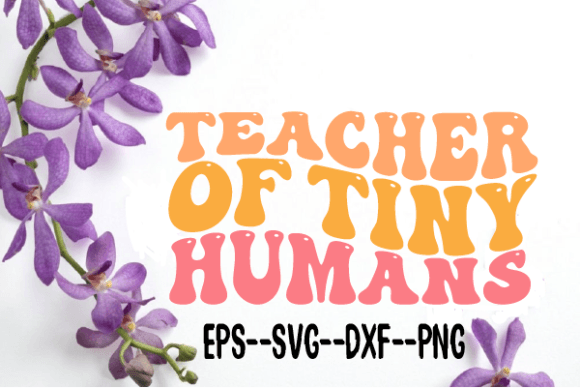
Teacher of Tiny Humans Retro Wavy Svg
As a designer who spends more time looking at stitch density charts than actual embroidery machines, I approach every new design file with a healthy dose of skepticism. The market is flooded with "cute" graphics that look adorable on a screen but fall apart when pushed through a hoop. Today, I am evaluating the Teacher of Tiny Humans Retro Wavy Svg. This isn't just about whether it looks nice; it is about whether it functions as a viable asset for real-world embroidery projects, commercial goods, and handmade gifts.
First Impressions: Mood and Visual Personality
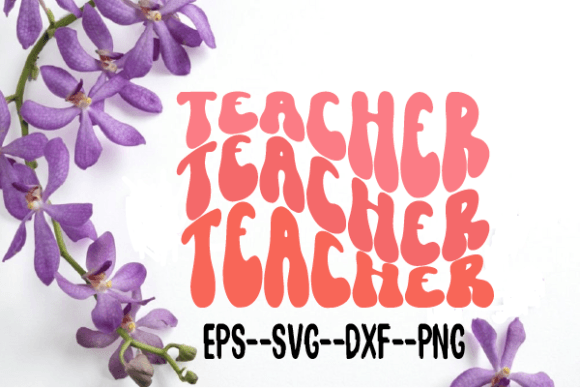
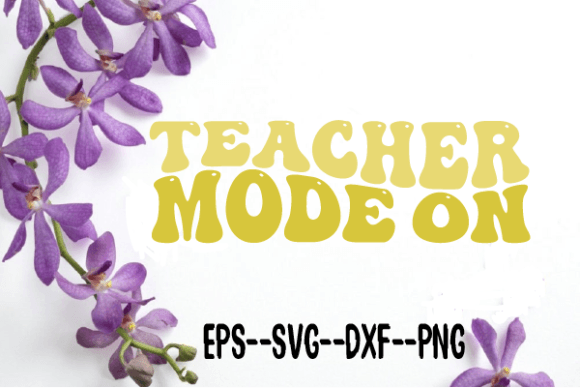
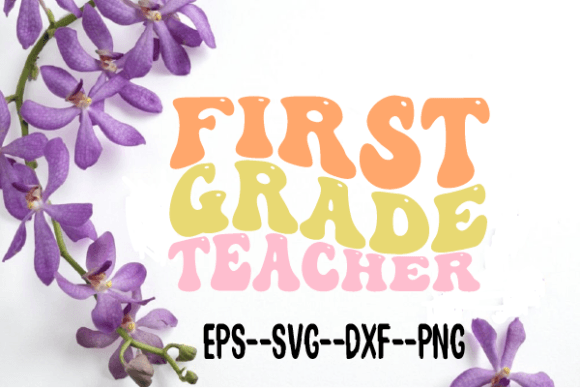
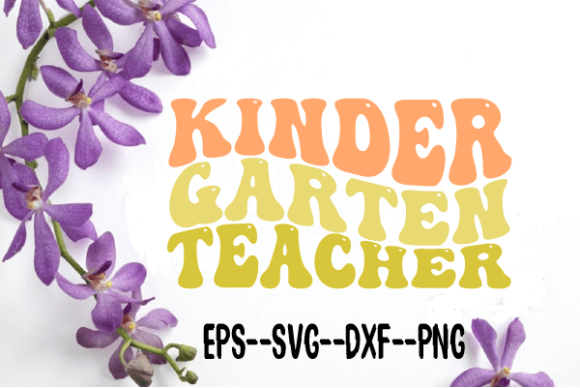
The moment you open the file, the retro aesthetic hits you immediately. The wavy typography suggests a relaxed, nostalgic vibe that fits perfectly with current trends in apparel and home decor. It feels less like a formal corporate logo and more like a statement piece meant to be worn with pride or displayed in a cozy space. The phrase "Teacher of Tiny Humans" is inherently warm and relatable, tapping into the emotional connection many buyers have with education roles.
From a layout perspective, the curves are bold. This is crucial for embroidery because sharp angles can sometimes get lost in dense stitching, whereas sweeping waves tend to hold their shape better across different fabric types. The design has a strong visual personality that stands out without needing excessive detail. It relies on form and rhythm rather than intricate floral patterns or tiny text, which makes it a safer bet for machine execution.
Real-World Application: Where This Design Shines
I often think about where a design will live before I ever touch the needle. For this specific embroidery project, my mind goes straight to custom apparel and personalized gifts. Here is how I see it performing in actual scenarios:
- Sweatshirt Embroidery: The retro wave theme pairs beautifully with heather grey or vintage black sweatshirts. The wavy lines create a dynamic flow across the chest area, making it an ideal choice for back-to-school season or teacher appreciation week. It adds a layer of professionalism while keeping the tone light and fun.
- Tote Bag Design: A canvas tote bag is a staple for any educator. Placing this design on the front center or slightly off-center creates a striking focal point. Because the design is relatively clean, it won’t overwhelm the natural texture of the canvas, allowing the thread colors to pop against the sturdy fabric.
- Baby Embroidery and Nursery Decor: While the text references teaching, the soft, curvy nature of the font works well for baby items too. Think onesies for future teachers or nursery wall art. The gentle curves feel safe and inviting, avoiding any harsh edges that might clash with a soft textile environment.
- Embroidered Patch: If you are creating merchandise for a craft business, turning this into an embroidered patch for denim jackets or backpacks is a smart move. The distinct outline of the wavy text allows for a clean border, giving it that finished, boutique product feel.
For Etsy sellers and small shop owners, this design offers versatility. It bridges the gap between a personal gift and a sellable commodity. It is not so niche that it limits your audience, yet specific enough to resonate deeply with teachers, homeschoolers, and daycare providers.
Technical Considerations and Stitch Behavior
This is where the rubber meets the road. As an experienced reviewer, I must highlight how the structural elements of the Teacher of Tiny Humans Retro Wavy Svg translate to thread work. Since this is provided as digital assets including DXF, EPS, and SVG files, you will likely need to digitize it yourself or use a pre-digitized version if available. The key here is understanding how these vector shapes behave under tension.
The wavy letters rely heavily on the stability of the stabilizer you choose. If you are working on stretchy fabrics like jersey knit for t-shirts, a cut-away stabilizer is non-negotiable to prevent the waves from distorting during washing. On woven fabrics like cotton twill for tote bags, a tear-away may suffice, but you must ensure the fabric doesn’t pucker around the dense areas of the lettering.
When planning your thread colors, contrast is king. The retro style often benefits from muted or pastel tones, but on dark fabrics, you will need bright or metallic threads to maintain legibility. I recommend testing the design in black and white mockups first. If the shapes lose their definition when stripped of color, they will definitely struggle in embroidery. The negative space within the wavy letters needs to remain open enough for the running stitch or fill stitch to breathe; otherwise, the design will look muddy and heavy.
Where to Use With Caution
No design is perfect for every surface. There are specific situations where you should tread carefully with this file:
- Small Hoop Sizes: If you attempt to fit this entire phrase into a very small hoop (like 4x4 inches), the individual characters may become too small to stitch clearly. Fine details in the serifs or wave peaks might disappear, leaving a blob of thread. Always check the final scaled size against your machine’s capabilities.
- Textured Fabrics: Avoid using this on highly textured materials like boucle wool or thick chenille. The uneven surface will cause the needle to miss stitches or create inconsistent tension, ruining the smoothness of the waves.
- Dense Stitch Areas: If the digitization uses a high-density fill stitch for the letters, the resulting fabric will become stiff. This is undesirable for items that need to drape softly, such as baby blankets or lightweight scarves. In these cases, a combination of satin stitch outlines and lighter fill stitches is preferable.
- Curved Surfaces: While caps are popular, embroidering a wide, wavy phrase on a curved brim or crown can lead to distortion. The waves may appear stretched or compressed depending on the angle. Flat surfaces like aprons, pillow covers, and flat hats are much safer bets.
Impact on Product Value and Brand Consistency
Using a well-executed design like this elevates the perceived value of your handmade products. Customers associate clean, professional embroidery with quality craftsmanship. When a buyer sees a neatly stitched "Teacher of Tiny Humans" on a tote bag, they perceive the item as a thoughtful, high-end gift rather than a cheap novelty. This directly impacts customer trust and engagement.
For creative entrepreneurs building a brand, consistency matters. This retro wave style is trendy but timeless enough to remain relevant for several seasons. It allows you to create cohesive collections—matching mugs, pillows, and apparel—that speak to a specific lifestyle. It helps your craft business stand out in a crowded marketplace by offering designs that are both aesthetically pleasing and emotionally resonant.
Final Verdict and Practical Advice
The Teacher of Tiny Humans Retro Wavy Svg is a strong candidate for anyone looking to add a touch of retro charm to their embroidery repertoire. Its clean lines and friendly message make it adaptable for various commercial embroidery projects, from holiday gifts to boutique branding.
Before committing to a large production run, follow these practical steps:
- Test on Scrap Fabric: Always stitch a sample on the exact fabric you plan to use. Check for puckering, thread breaks, and clarity of detail.
- Review Stitch Density: Ensure the digitization isn’t too dense for the chosen thread weight. Too much thread can cause the fabric to pucker and the design to look lumpy.
- Confirm Licensing: Since this is sold as a graphic file, verify the license terms carefully. Ensure you have the right to sell finished physical items created with this design, especially if you are an Etsy seller or operating a small shop product line.
- Check File Compatibility: Make sure your embroidery software can properly interpret the DXF, EPS, and SVG formats provided. You may need to convert or trace the vectors to achieve the best stitch result.
In conclusion, this design offers a blend of nostalgia and modern appeal that works well in both personal and professional contexts. With careful attention to fabric choice, stabilizer support, and stitch settings, it can result in a beautiful, durable, and highly marketable finished product.