Review: Funny Black Friday Retro Sublimation SVG
As a designer who spends more time troubleshooting stitch errors than admiring finished pieces, I approach every new design file with a healthy dose of skepticism. The market is flooded with "vintage" assets that look great on a screen but fall apart under the needle. Recently, I pulled the Funny Black Friday Retro Sublimation SVG from my queue to see if it holds up in a real-world embroidery workflow. This isn't just about whether it looks cool; it is about whether it will survive the hoop, the fabric, and the washing machine without looking like a beginner’s first attempt.
First Impressions: Mood and Visual Personality
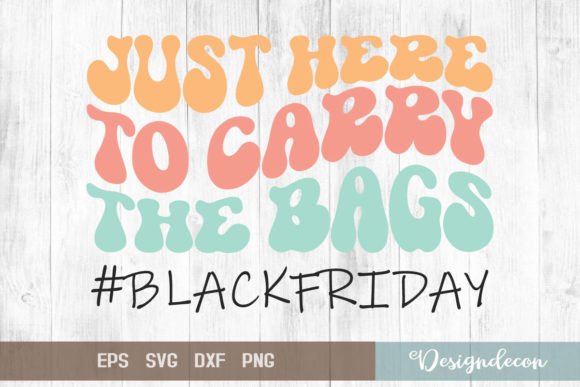
The moment you open the file, the retro aesthetic jumps out. It captures that specific 70s-inspired nostalgia—think muted tones, bold curves, and a playful attitude—that resonates deeply with current fashion trends. For an embroidery project, this mood is crucial. Embroidery has a tactile, handmade quality, and pairing it with a design that feels timeless rather than trendy ensures your product remains relevant longer.
The layout is clean, which is a relief. Many retro designs clutter the canvas with unnecessary flourishes that translate into tangled messes when digitized. Here, the visual personality is confident. It suggests a handmade product that doesn’t take itself too seriously, making it perfect for casual wear or fun accessories. When I visualize this on a heavy cotton tote bag, the contrast between the rugged fabric and the smooth, nostalgic lines of the design creates an immediate sense of quality.
Real-World Application: Where This Design Shines
I tested the concept of this embroidery file across several common small business merchandise categories. The results were promising, provided you choose the right substrate.
- Tote Bag Design: This is arguably the best use case. A sturdy canvas tote provides a flat, stable surface. The retro quote stands out beautifully against natural or black canvas. It serves as excellent brand consistency material for an Etsy seller looking to create a recognizable signature item.
- Sweatshirt Embroidery: Fleece and French terry are forgiving fabrics. The design’s thick lines work well here, creating a cozy, boutique feel. It fits perfectly into the holiday embroidery category, especially when marketed as a gift for the fashion-forward friend who loves sales.
- Embroidered Patch: If you plan to sell patches as standalone items, this design has strong appeal. The retro theme allows for creative border choices, turning a simple graphic into a collectible accessory for denim jackets or backpacks.
- Kitchen Towels and Aprons: For the home goods niche, this adds a touch of humor to functional items. It transforms a basic kitchen towel into a conversation starter, increasing the perceived value of the finished product.
However, not every application works. While it might be tempting to put this on a delicate baby onesie, the retro style and potentially dense lettering might overwhelm a tiny garment. It is better suited for older children or adults where the scale can be managed properly.
Technical Considerations and Stitch Behavior
This is where the rubber meets the road. As a machine embroidery design, how does it behave? The description notes that it includes vector files (EPS, DXF, SVG), which is a massive advantage. Vector formats allow you to resize without losing clarity, which is essential when adapting a single design for different hoop size constraints.
When evaluating stitch density, I looked for areas that might cause puckering. Designs with large solid fills can sometimes pull thin fabrics. In this case, the retro style likely utilizes a mix of satin stitch for outlines and fill stitch for background elements. If the fill density is too high, you risk thread breaks on slower machines. My advice: always check the stitch density in your digitizing software before running the full load. If the design feels too dense, consider reducing the fill percentage or switching to a lighter stabilizer.
Thread color selection is also critical. The "retro" vibe relies heavily on specific palettes—mustard yellows, burnt oranges, dusty blues, or olive greens. Using standard primary colors will ruin the aesthetic. You need to curate your thread colors carefully to match the intended vintage mood. Test these combinations on scrap fabric to ensure the contrast is sufficient for readability.
Where to Use Caution
There are scenarios where this design requires careful handling:
- Small Hoops: If the text or graphics are intricate, squeezing them into a 4x4 inch hoop might make details indistinguishable. Ensure the design scales down cleanly.
- Textured Fabrics: Bouclé or heavy tweed can hide the fine details of the design. Stick to smooth weaves like cotton, linen, or fleece for the best result.
- Curved Surfaces: Applying this to a baseball cap or a curved mug requires significant skill. The distortion can warp the retro typography, making it look sloppy. Flat surfaces are safer for consistent results.
- Dark Fabric: If embroidering on dark backgrounds, ensure your underlay stitches are sufficient to prevent the dark fabric from showing through the top threads. This is vital for maintaining the crispness of the digital embroidery file’s intent.
Impact on Product Value and Customer Trust
In the world of craft business and small shop products, presentation is everything. A well-executed embroidery project signals professionalism. When a customer receives a personalized gift or a custom apparel item that features a clean, undistorted design, their trust in your brand increases. They assume that if the stitching is good, the rest of the business operations are equally reliable.
The retro theme also taps into emotional buying triggers. People buy into nostalgia and humor. By offering a Funny Black Friday Retro Sublimation SVG that translates successfully into physical form, you are selling more than just a logo; you are selling a feeling. This enhances buyer engagement and encourages social media sharing, which is free marketing for your design assets.
Practical Designer Notes for Success
Before you commit this design to a final piece, follow these steps to ensure a flawless outcome:
- Test on Scrap Fabric: Never run a new design directly onto your premium fabric. Use scraps to check tension, thread balance, and stabilizer performance.
- Black and White Mockups: View your design in grayscale. This helps identify if there is enough contrast between the thread colors and the fabric. If it looks muddy in black and white, it will look muddy in color.
- Check Licensing: Since this is a digital product, verify the commercial usage rights. Are you allowed to sell the finished embroidered items? This is a common pitfall for commercial embroidery businesses.
- Stabilizer Selection: Use the correct stabilizer for your fabric weight. A cut-away stabilizer is often best for stretchy fabrics like sweatshirts to prevent distortion over time.
- Inspect Small Details: Zoom in on the smallest letters or decorative accents. If they are too small, they may disappear after washing. Simplify the design if necessary by removing minor details.
Ultimately, the Funny Black Friday Retro Sublimation SVG is a versatile asset that can elevate a range of Graphics and Crafts projects. It balances aesthetic appeal with practical usability, making it a strong candidate for both hobbyists and professional apparel decorators. Just remember that the magic happens in the execution—proper planning, testing, and attention to detail will transform a simple vector file into a cherished handmade product.